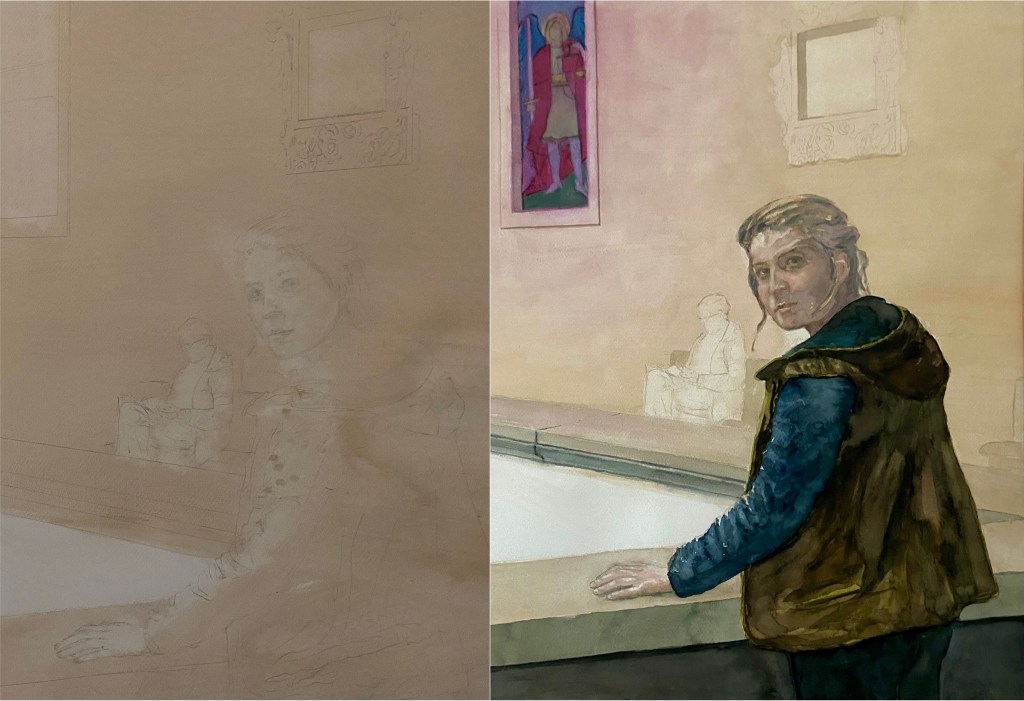
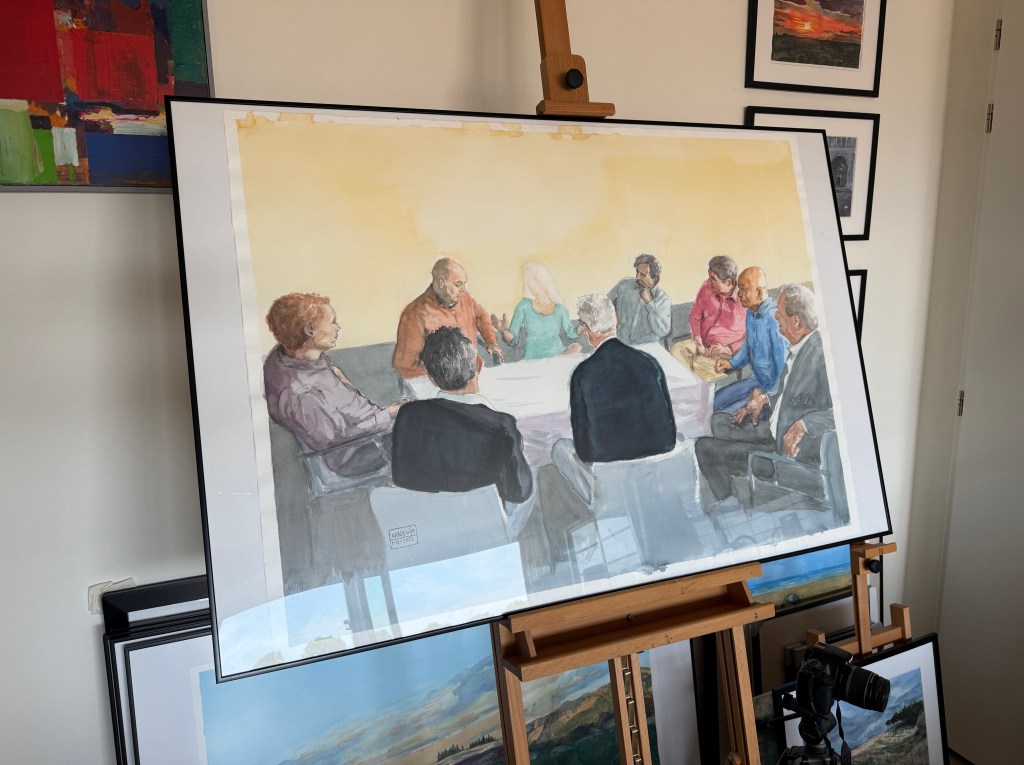
My small watercolours usually take just a few hours to complete, sometimes spread over two days. Creating my larger watercolours, however, is an entirely different process—one that can take up to two weeks from beginning to end. Although I am not painting continuously during that time, I enter a kind of creative trance in which, from the initial spark of inspiration to the final brushstroke, the work is constantly on my mind and refuses to let go.
Along the way I make countless decisions. Where do I go from here? How should I proceed? Which colours should I use? Should I change direction after all? I do not arrive at these answers through careful planning; I simply know—or rather, I experience—them in the moment, although it needs patience. This process of choosing continues until the painting is finished.
For me, “finished” does not mean “perfect,” whether by some universal standard or by an artistic one. A painting is finished when I experience the unmistakable inner certainty that it is complete—that I have achieved what I set out to do. This sense of completion arises from the same intuitive knowing that has guided and driven me throughout the entire painting process.
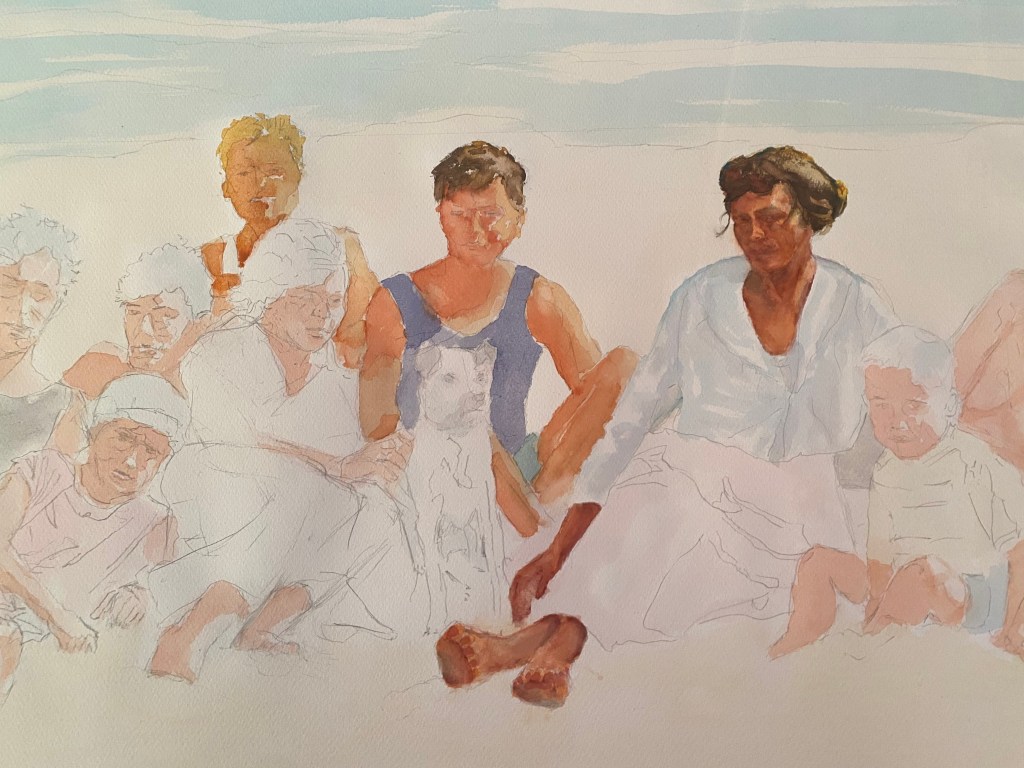
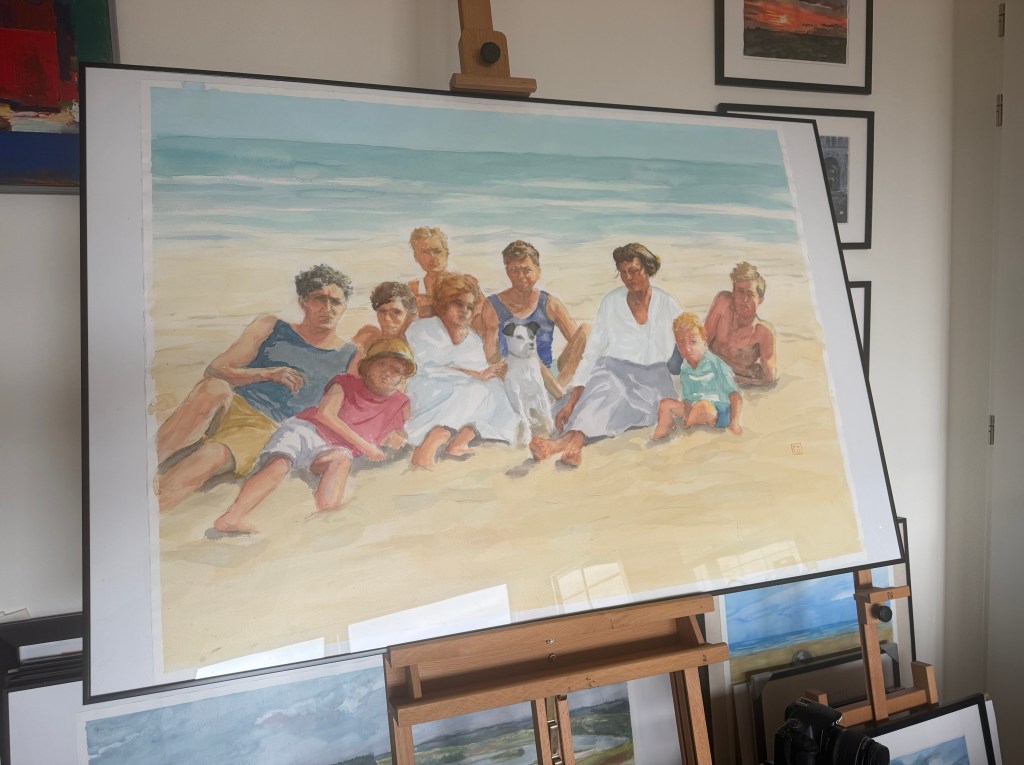
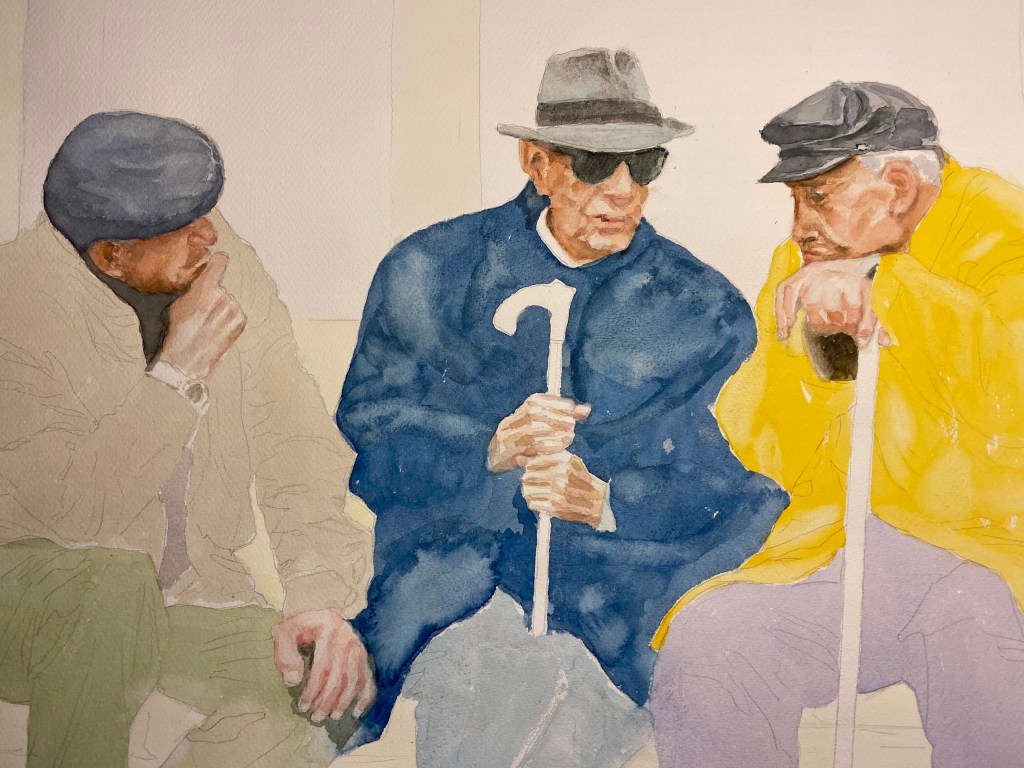
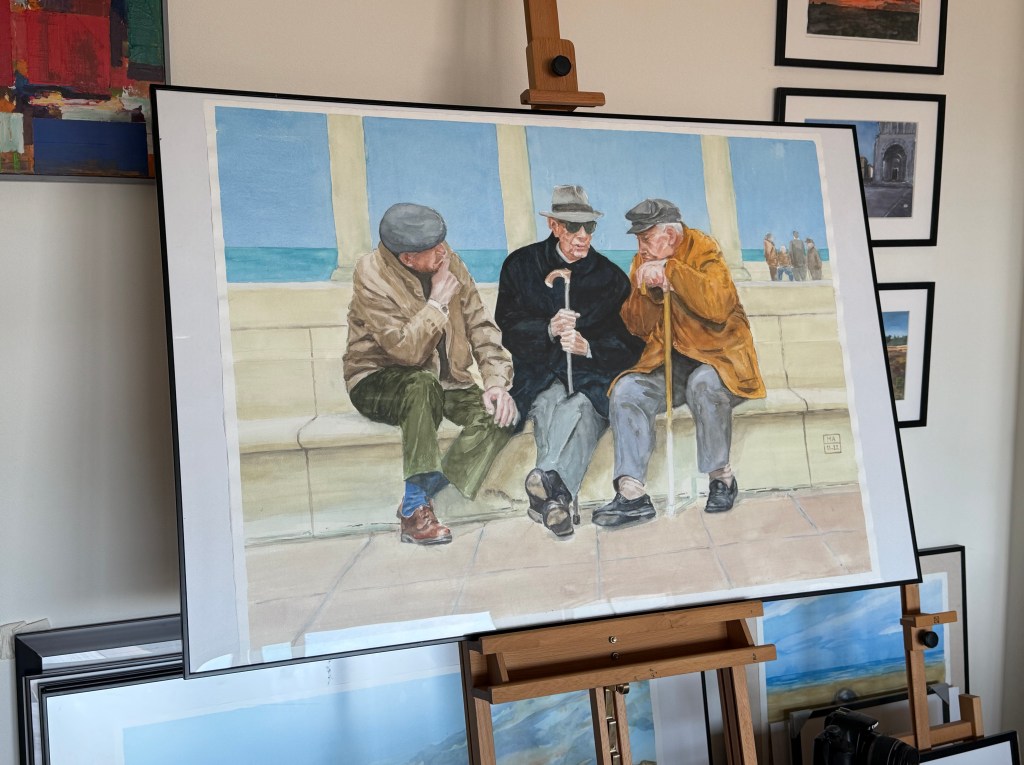
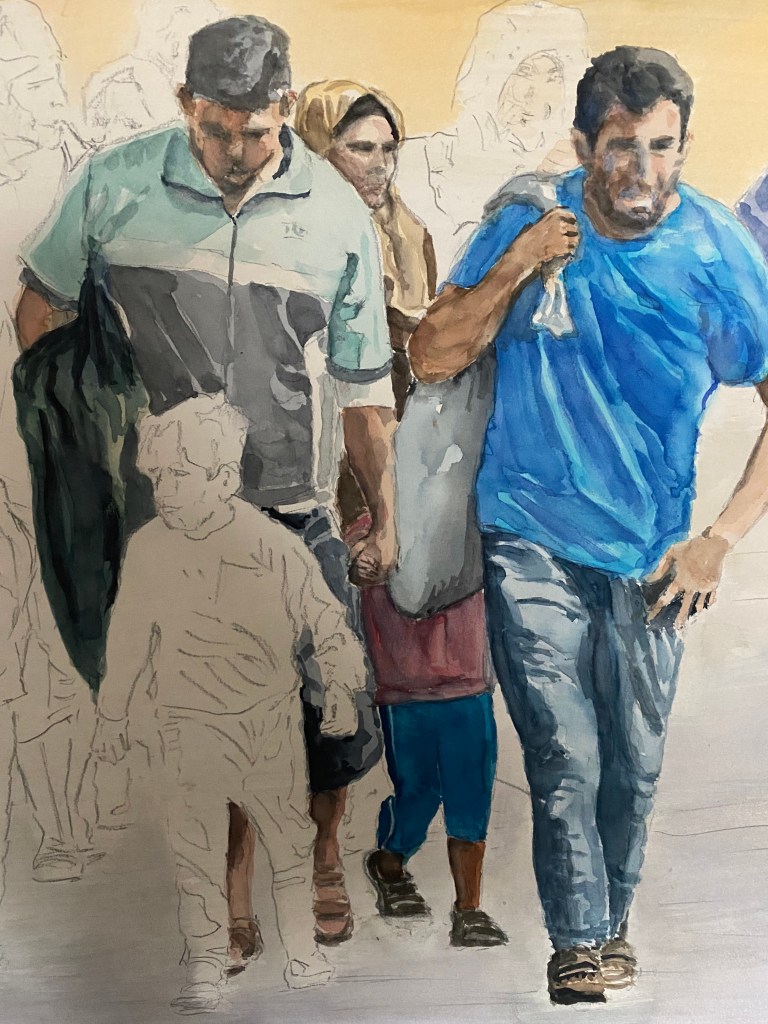
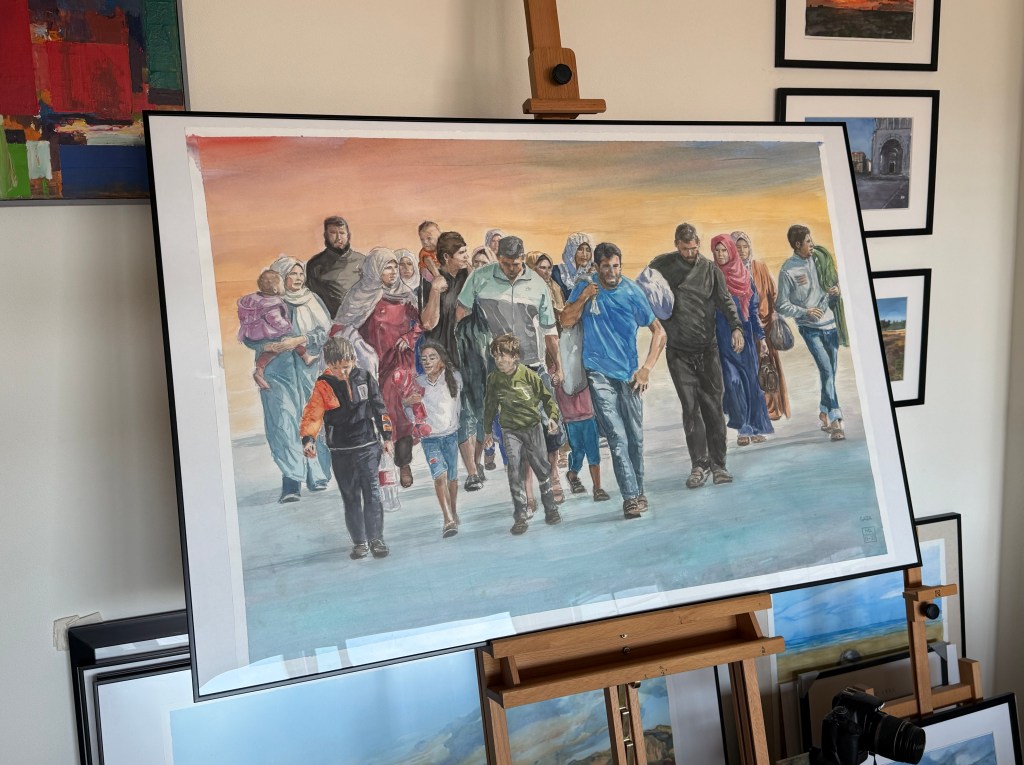
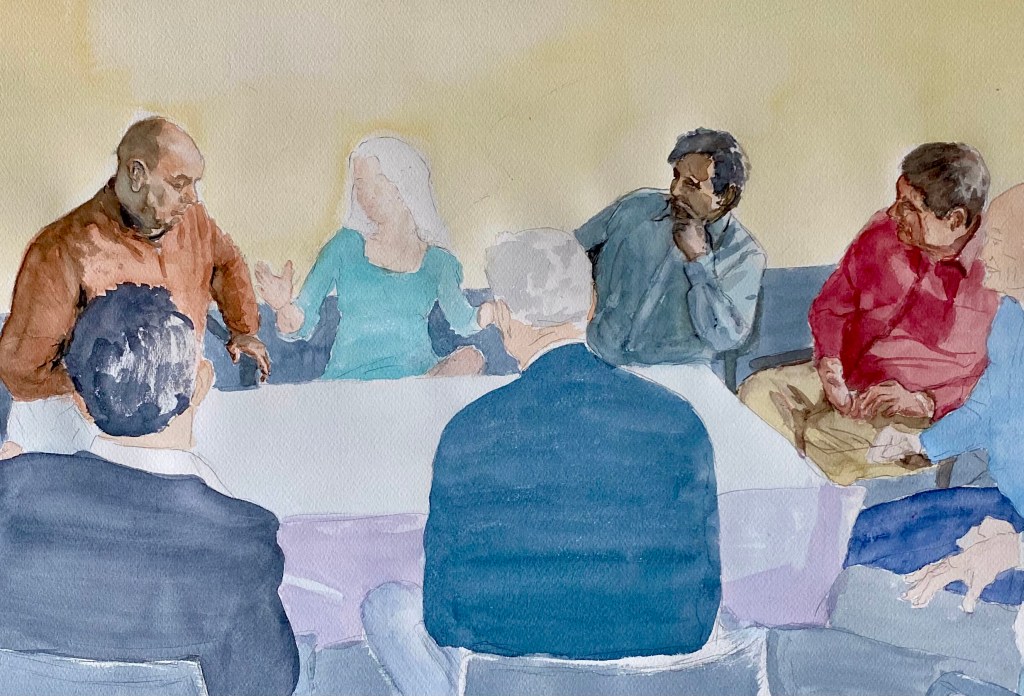
Ordinarily, it is the final work—the completed watercolour—that takes centre stage and receives our attention. For me, however, the intermediate stages of the painting process are every bit as fascinating. In the following photographic sequence, I show earlier phases of several older large watercolours; phases surrounded by a whole world of decisions that remain invisible when one sees only the finished painting. If we wish to know nature, art, objects, and people more fully, we must look back to the stages they have long since passed through.
Menno Aardewijn (18-7-2026)


Mooi wwerk, Menno. Ik probeer me al een tijd te verdiepen in het werk van mijn grootvader, die mst inkt en pen tekende, maar schat in dat dat tekenproces ook zo verliep.
Groet, NNard
Ha Nard, dank voor je reactie. En dat zal zeker zo zijn. Als je zijn werk wilt leren kennen, is het tot- stand-brengings-proces van inspiratie tot wat hij gerealiseerd heeft (en misschien nog verder waar hij als kunstenaar naar op weg was ) helpvol om een beeld te krijgen.
Heel herkenbaar. Het is hetzelfde als de Reis en de Bestemming. In feite zijn dat vormen van Zichtbaarheid met ieder hun eigen relatie tot de Waarnemer. Groet, Marten
Dank en die herkenbaarheid is niet onverwacht. Je vierdelige zichtbaarheids”model” vormt voor mij feitelijk een doorleefd en constant aanwezig observatiekader waarin het direct zichtbare pas in al zijn zichtbare en niet direct zichtbare dimensies vol tot leven komt. Daar wilde ik in mijn post, tav een klein onderwerp, de aandacht op richten. Zoals eerder vermeld en wellicht leuk om te weten, heeft de Quadralectiek in ieder geval bij mij wortel geschoten 🙂 Btw wel eens één van de language models geraadpleegd over je Quadralectiek, bv ChatGPT? Stel eens wat vragen, om te kijken wat de app ervan “snapt”. Je kunt gewoon een dialoog aangaan als je wil, maar wellicht heb je dat allang gedaan.
Ik heb dat in het verleden geprobeerd. In den beginne wist men er niets van (bij ChatGPT) en kwamen er lachwekkende antwoorden uit. In de loop van de tijd kreeg men mijn geschriften in de smiezen – of begon men mijn computer te kennen. Nu zijn de antwoorden, op mijn computer heel redelijk, maar op jouw computer ook ? Met Perplexity een beetje hetzelfde verhaal. Eerst onzin, nu redelijk. Om eerlijk te zijn, vind ik AI niet echt een probleem, maar uiteindelijk moeten goede gedachten toch echt uit je eigen hoofd komen. Creativiteit is een persoonlijke gebeurtenis en alles en iedereen mag daarbij helpen. Om AI een stukje voor je te laten schrijven is pure armoede. De vreugde van iets scheppen is juist dat je het zelf hebt gedaan en niet iemand anders. Doorgaan dus. Groet, Marten
Helemaal mee eens! Ik reageer binnenkort even via email. Groet
Hallo Menno Mooi je werk te zien.
Had nog een tip voor jou.
In verzorgingstehuizen zijn oudere mensen die het vast erg leuk vinden als je een portret van ze maakt. Dan heb je een aantal modellen en bovendien zijn het vaak aardige en interessante mensen die graag kunstzinnig bezoek krijgen. Hoewel mensen alleen naar een verzorgingstehuis gaan als ze een indicatie hebben. Toch ben je daar alleen met de andere verzorgingstehuisbewoners. Mensen van buiten vindt men dan doorgaans wel verfrissend. Jij maakt mooie watercolours.
Dank voor je reactie Carla. En dank voor de tip. Ik zal er mijn gedachten over laten gaan. Het is een interessant idee. Het zijn vaak mooie modellen voor portret en figuurstudies. En voor hen is het een verzetje. Ik weet dat, omdat mijn moeder de laatste 2 jaar van haar leven in een verzorgingstehuis zat. 🙏